
Combustion Byproduct Testing
At SAI, we specialize in the identification and analysis of combustion byproducts (CBPs) resulting from structural fires, wildfires, or other combustion events. These invisible residues can penetrate surfaces, HVAC systems, and materials, posing health risks, causing corrosion, and complicating restoration. Our testing provides clear, defensible data to support insurance claims, remediation decisions, and occupant safety.
What Are Combustion Byproducts?
CBPs are typically categorized into three main types based on ASTM D6602-13 and AIHA guidelines (e.g., Technical Guide for Wildfire Impact Assessments):
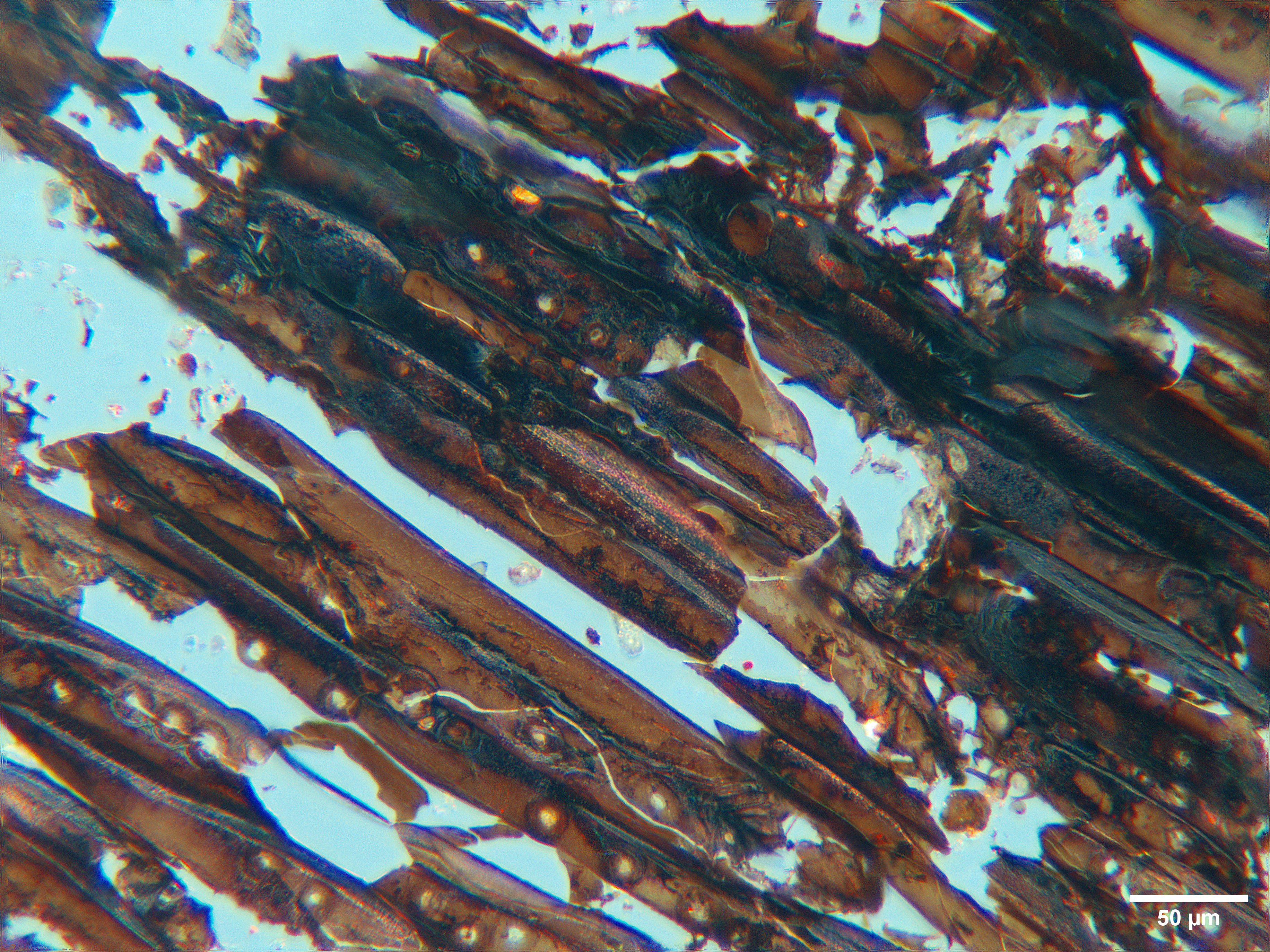
• Char: Particulate ranging in size from 1 µm to several centimeters produced by incomplete combustion. It may retain some original material’s cell structure, minerals, or non-black components. Carbon is the predominant element, but particles can vary in morphology and color.
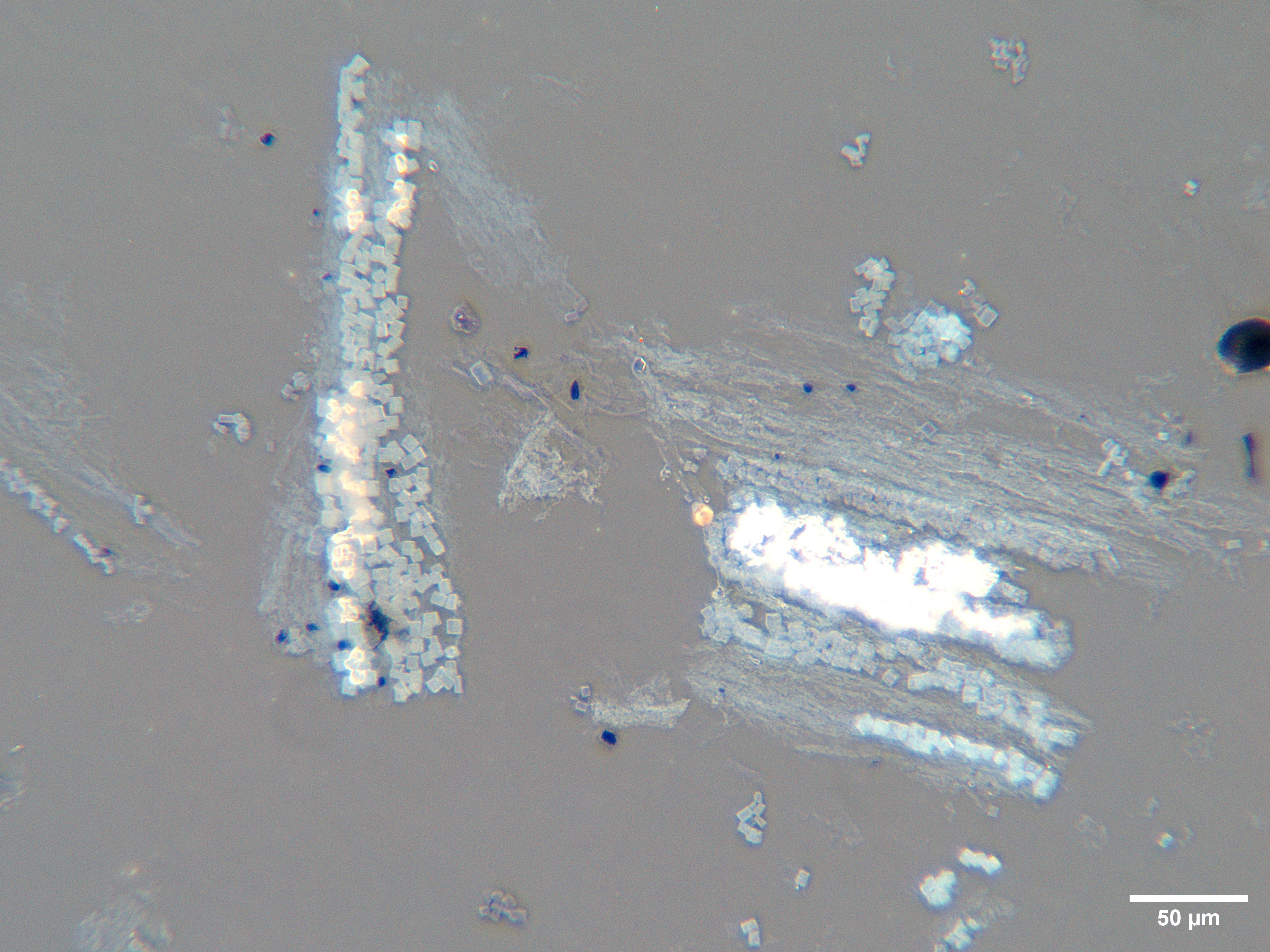
• Ash: The inorganic, mineral-rich residue from advanced or complete combustion of char. It consists primarily of oxidized metals, metalloids, and plant-derived phytoliths (e.g., silica structures). Ash particles are often brittle, range from 2–500 µm, and appear highly reflective in RLM.
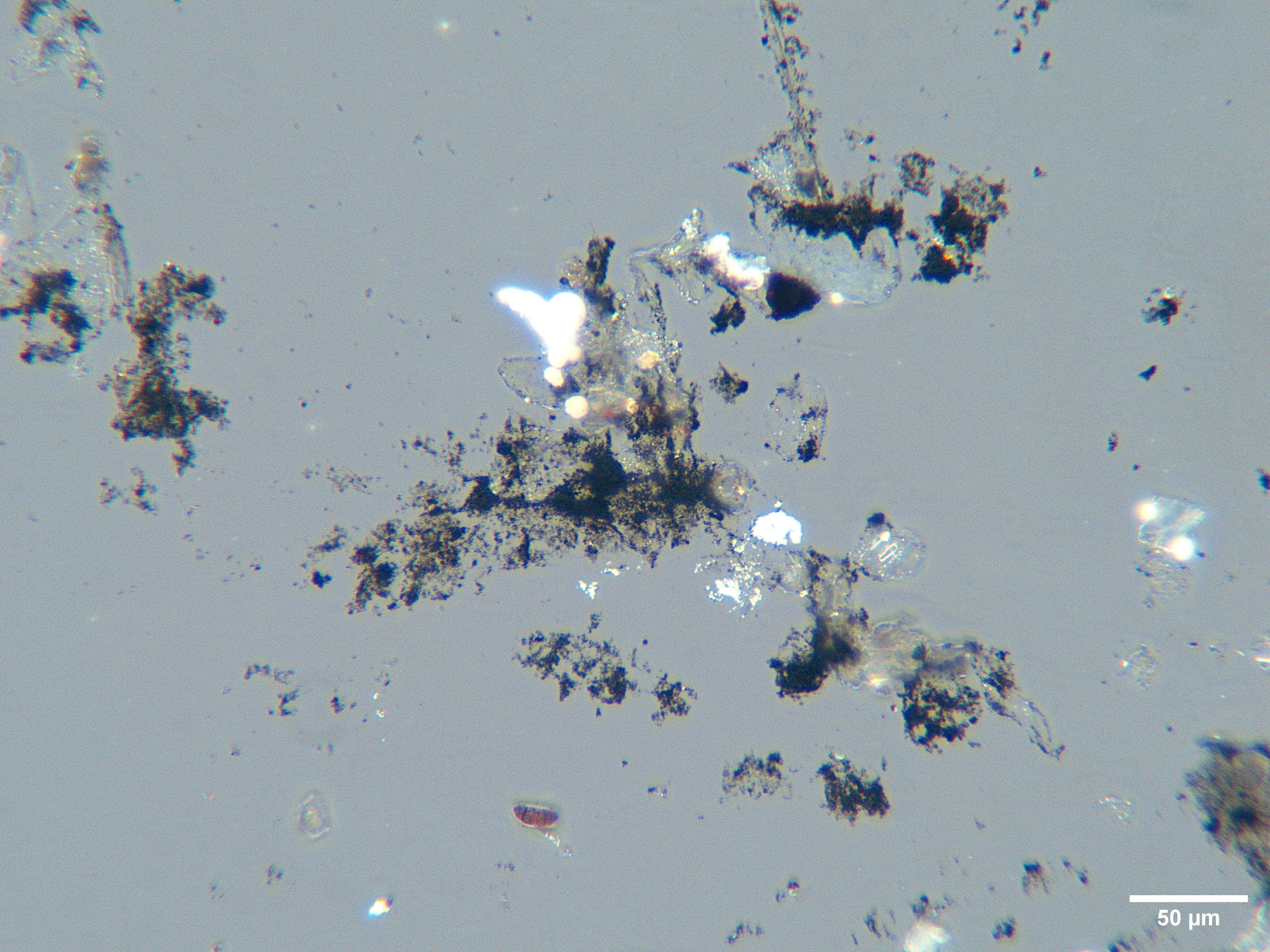
• Soot (Black Carbon): Submicron (<1 µm) to millimeters black powder generated as an unwanted byproduct of combustion or pyrolysis. It consists of carbonaceous particles (often aciniform or “grape-like” aggregates) with adsorbed tars, resins, and volatile organics. Soot is highly mobile and can form clusters visible under microscopy.
These particles help determine fire origin, extent of impact, and potential health/corrosion concerns.
Sampling Methods
We use industry-standard collection techniques tailored to surfaces, loading levels, and analytical needs:
• Tape Lifts (e.g., Bio-Tape™ or adhesive lifts 3M Scotch® Magic Tape): Press adhesive tape onto the surface to collect settled dust.
• Wipes (wet or dry): Use wipes over a defined area for broader collection.
• Microvac: Vacuum dust from porous/uneven surfaces using a filter cassette and pump.
• Air Sampling: Cassette or filter-based collection to assess airborne particulates.
Pros and Cons of Each Method (summarized for clients):
Tape Lifts
Pros: Quick, defined sample area; preserves particle positions and depositional patterns; excellent for optical microscopy; minimal damage to particles; good for smooth/non-porous surfaces with typical dust loading.
Cons: Lower efficiency on rough/porous surfaces; adhesive can sometimes obscure fine soot; limited area per sample; not ideal for chemical extraction.
Wipes
Pros: Samples larger areas efficiently; suitable for smooth/non-porous surfaces with low or heavy loading; supports TEM confirmation and chemical analysis (e.g., PAHs).
Cons: Not suitable for porous surfaces; can smear or damage agglomerates; liquids/solvents may dissolve or alter particles; may remove surface finishes.
Microvac
Pros: Ideal for porous, carpeted, or uneven surfaces; collects bulk material; supports TEM and chemical analysis; easy lab prep.
Cons: Less effective on smooth surfaces with low loading; does not preserve particle positions; can damage fragile char/ash structures.
Air Sampling
Pros: Assesses airborne/respirable fraction with direct health implications; supports TEM confirmation.
Cons: Only captures current airborne particles (may miss settled residues); results diminish over time post-event.
Our team recommends the optimal method(s) based on site conditions.
Analytical Techniques
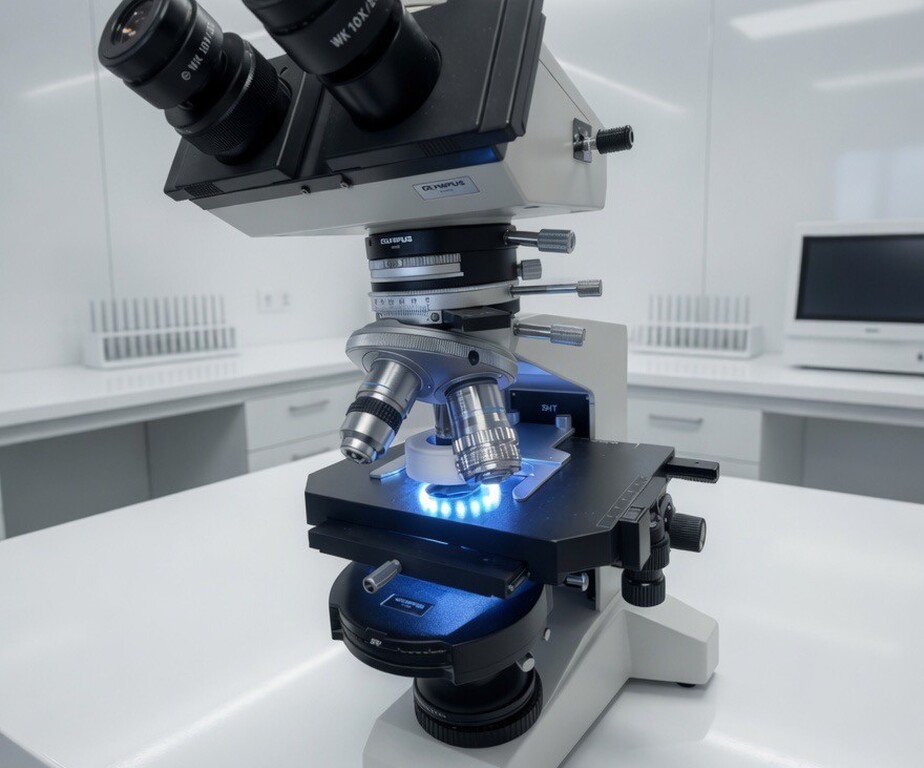
• Primary Analysis: Optical microscopy using Polarized Light Microscopy (PLM) combined with Reflected Darkfield Illumination. This is the gold standard for identifying and quantifying char, ash, and soot based on morphology, color, opacity, reflectivity, and birefringence. Reflected darkfield excels at distinguishing burned (low reflectivity) from unburned opaque particles.
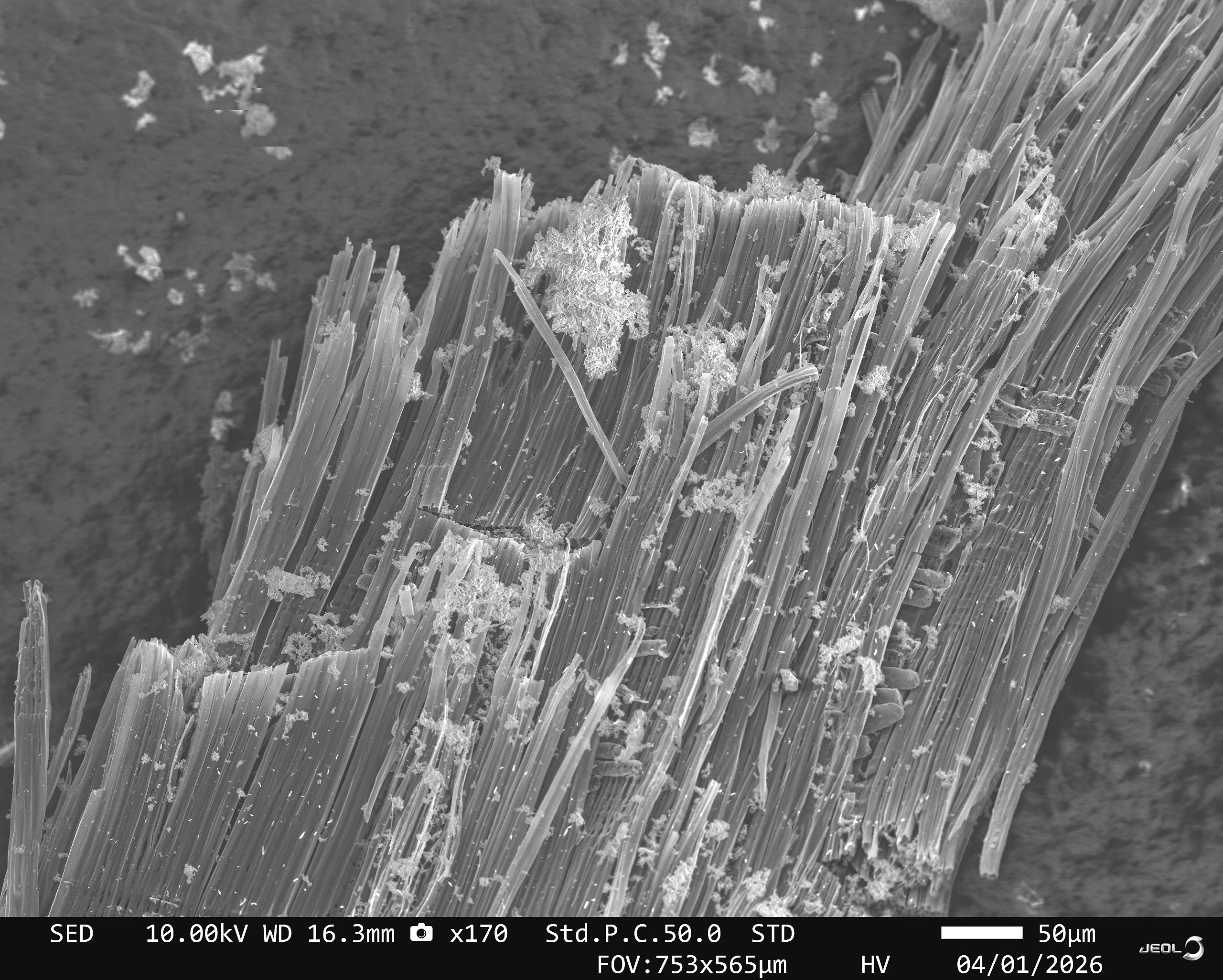
• Advanced Supplemental Analysis: Transmission Electron Microscopy (TEM) and Scanning Electron Microscopy (SEM) with Energy-Dispersive X-ray Spectrometry (EDS) for submicron soot confirmation, elemental composition, and differentiation from carbon black or other particles.
We can also include corrosivity (pH) and Conductivity Screening.
Why Choose SAI for CBP Testing?
• AIHA-aligned methods and experienced analysts.
• Clear reporting. (photomicrographs upon request).
• Support for wildfire vs. structure fire differentiation, insurance, and remediation verification
